
Statecraft and Capital: How Danantara Is Rewiring Indonesia’s Growth Model
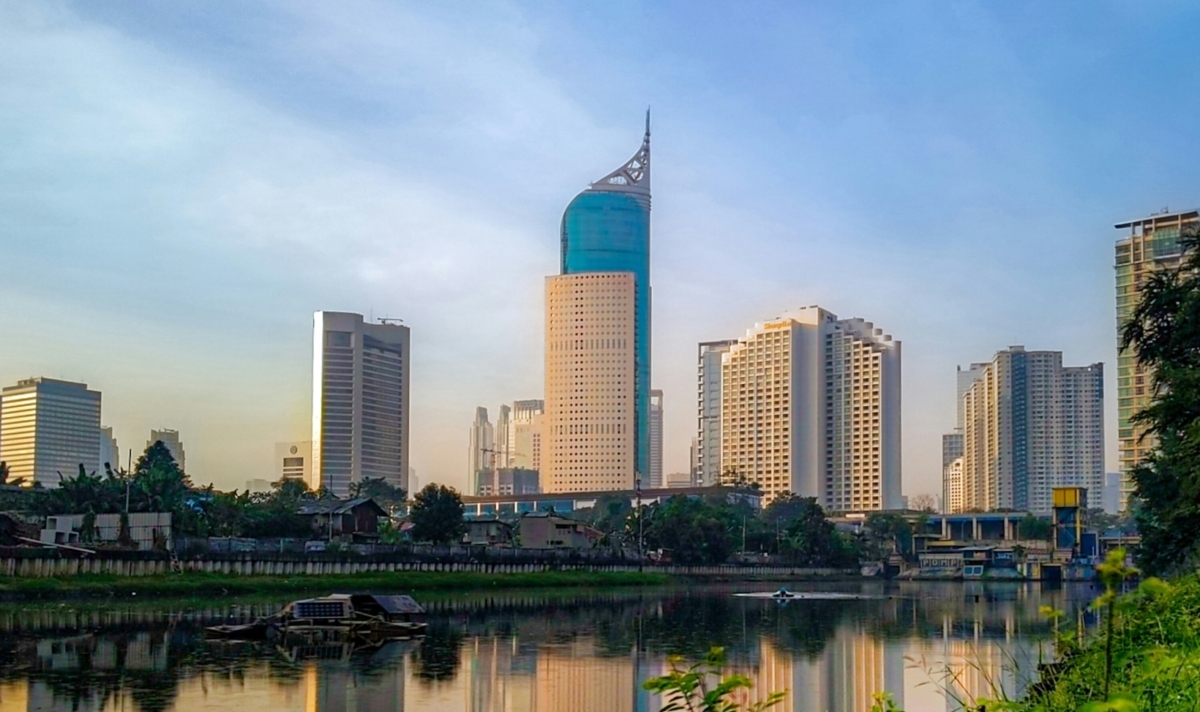
In February 2025, President Prabowo Subianto launched Daya Anagata Nusantara — Danantara — and instantly created one of the world’s largest sovereign investment vehicles. By consolidating the country’s biggest state-owned enterprises, the fund commands close to US$900 billion in assets, a scale that ranks it among the top sovereign funds globally and is frequently compared to Singapore’s Temasek.
The portfolio reads like a map of the Indonesian economy: banking giants Bank Mandiri, BRI and BNI; energy champions Pertamina and PLN; telecoms leader Telkom; and mining holding company MIND ID. Together, the consolidated enterprises represent a substantial share of national GDP — putting an unusually large slice of the economy under a single, corporate-style investment mandate.
The thesis: capital allocation as national strategy
Danantara’s logic is explicitly developmental. The model channels dividends from mature state enterprises into long-term, strategic investments in priority sectors — energy and food security chief among them — with the fund acting as a catalyst for projects deemed too risky or infrastructure-heavy for private capital alone. It is designed to crowd in, not crowd out: foreign and private co-investors are invited to participate alongside the state.
The political stakes are high. The fund is the centrepiece of Prabowo’s pledge to lift annual GDP growth from around 5% toward 8% by 2029. In early 2026, that growth pitch found external validation: the IMF upgraded Indonesia’s 2026 forecast to 5.1%, calling the country “a global bright spot” against roughly 3.3% global growth, while Bank Indonesia projected an even stronger 5.3%. Danantara has signalled an ambition to build toward US$1 trillion in long-term assets and serve as a co-investment platform for international partners.
Borrowed credibility, real scrutiny
Because the fund reports directly to the president, investors raised early questions about oversight and the risk of political interference — concerns sharpened by a market sell-off that hit Indonesian equities hard in early 2025. Danantara’s response was to recruit credibility: it assembled an advisory bench that reportedly includes investor Ray Dalio, development economist Jeffrey Sachs, and former Thai prime minister Thaksin Shinawatra.
The deeper question is structural. Unlike most sovereign funds, which draw on resource rents or fiscal surpluses, Danantara is funded largely by consolidated SOE dividends. Independent analysts argue that its success will hinge less on the headline size of its assets than on the financial efficiency of its portfolio and the durability of that revenue model. The fund’s leadership has set demanding return ambitions — public targets have referenced annual returns measured in the hundreds of trillions of rupiah.
Where the capital is pointed
In practice, Danantara is being pressed into the country’s two biggest strategic priorities. On natural resources, it is coordinating a portfolio of downstream processing projects — roughly 18 ventures worth around Rp 600 trillion (about US$34 billion), with nickel at the centre. On energy, it is positioned to channel financing into the renewable build-out envisioned by the latest electricity plan, including through partnerships with overseas development institutions. Major global firms, including Amazon Web Services, have lined up substantial infrastructure commitments alongside the broader investment push.
The advisory takeaway
Danantara is best understood as an experiment in using a holding-company structure as an instrument of national strategy — concentrating capital, coordinating across sectors, and inviting partners into priority projects. That model offers a useful lens for any diversified group: the value is created not by owning assets, but by allocating capital intelligently between them and structuring partnerships that share risk. For investors weighing Indonesian exposure, the fund is simultaneously the country’s biggest opportunity aggregator and its most-watched governance test. Both things are true at once.
This article is part of GK Group’s Strategic Industries series. Figures reflect publicly reported data available at time of writing.

