
Indonesia’s Energy Transition at a Crossroads: Inside the RUPTL 2025–2034
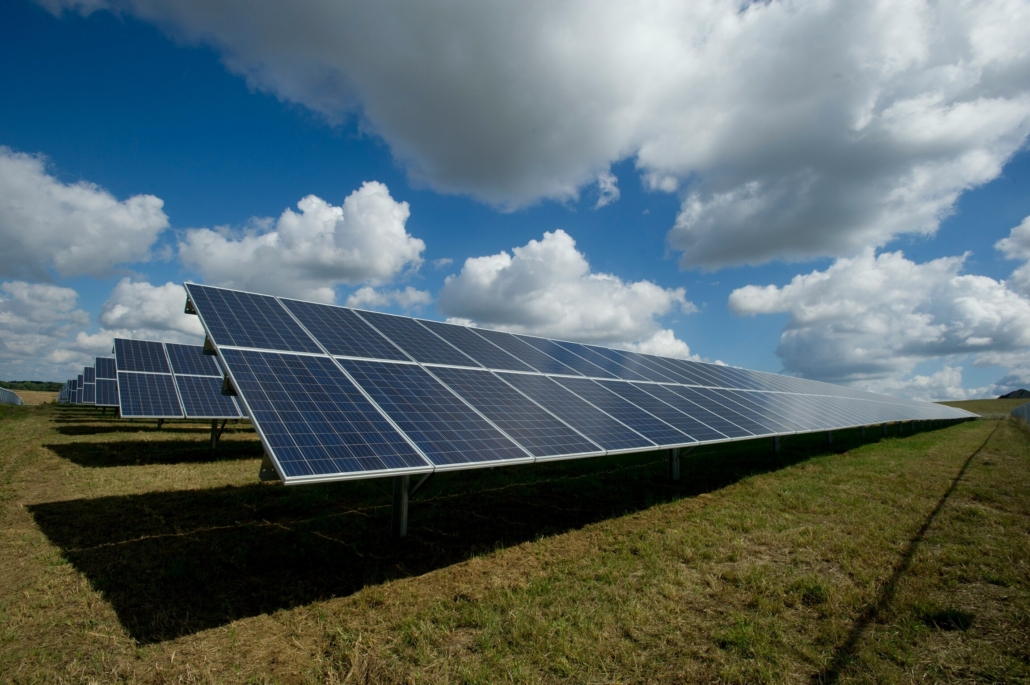
Indonesia enters 2026 holding two facts that sit uneasily together. The first is ambition: a new Electricity Supply Business Plan (RUPTL 2025–2034) that calls for 42.6 GW of new renewable capacity over the decade. The second is the starting line: as of December 2025, renewables supplied just 15.75% of the country’s electricity, with coal still anchoring roughly 68% of the power mix.
Closing that gap is one of the defining commercial and policy stories in Southeast Asia.
What the new plan actually targets
The RUPTL’s renewable build-out is weighted toward solar (13.4 GW), hydro (10.5 GW), wind (7.2 GW), and geothermal (1.8 GW), supported by around 10.3 GW of energy storage and significant transmission upgrades. Crucially, the plan leans on private-sector participation, especially independent power producers, and aims to correct the long-standing mismatch between where Indonesia generates power and where demand sits.
Looking further out, the government has signalled a goal of expanding renewable capacity to roughly 75 GW by 2040 — a large leap from the current installed base of about 15 GW — and is even exploring around 4.3 GW of nuclear to cover baseload gaps. The national net-zero target sits at 2060, with the power sector aiming for net zero by 2050.
A revised target tells the real story
The most honest indicator of the challenge is what happened to the previous goal. Indonesia had aimed for renewables to reach 23% of the power mix by 2025; by mid-year it sat near 16%. Rather than meet it, the government revised the 23% target into a more flexible 19–23% range pushed out to 2030 under its updated National Energy Policy. Decisions such as cancelling the early retirement of the Cirebon-1 coal plant underline the recurring tension between near-term energy security and long-term climate commitments.
The money: JETP and Danantara
International capital is meant to help bridge the gap. The Just Energy Transition Partnership (JETP), unveiled at the 2022 G20 summit in Bali, committed US$20 billion — US$10 billion in public financing from the International Partners Group and US$10 billion in private money — to cap power-sector emissions at 290 million tonnes of CO₂-equivalent and lift renewables to at least 34% of generation by 2030.
Progress has been measured. As of December 2025, financing approvals under JETP reached roughly US$3.1 billion, funding projects such as the Muara Laboh geothermal expansion and the Saguling floating solar plant. A second implementation phase began in January 2026 under a German-funded JETP Delivery Unit. The wider price tag is daunting: meeting Indonesia’s 2030 climate targets is estimated to require around US$97 billion.
Increasingly, the spotlight falls on Danantara, the sovereign fund managing close to US$900 billion in state assets, which is expected to channel capital into strategic energy projects and has signalled intent to partner with institutions such as Japan’s JBIC.
The advisory takeaway
For developers, financiers, and corporate energy buyers, Indonesia is a market where the policy ambition is now genuinely large — but bankability, grid readiness, and procurement pace remain the binding constraints. The opportunity is less about whether the transition happens and more about who can structure projects that survive the gap between plan and grid: firm renewables like geothermal that provide baseload, storage paired with solar, and partnership structures that de-risk early-stage capital. The next decade in Indonesian power belongs to those who can convert ambition into financeable assets.
This article is part of GK Group’s Green Energy briefing series. Figures reflect publicly reported data available at time of writing.

