
Indonesia’s Oil Situation in 2026: Strained Production and a Deepening Import Dependence
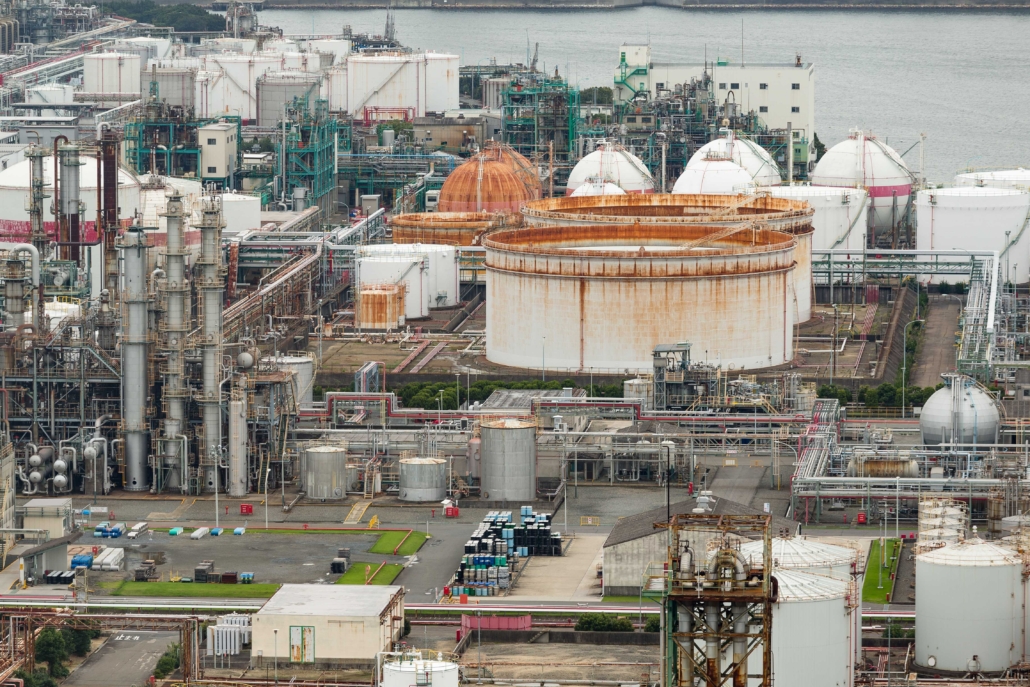
Indonesia’s oil situation in mid-2026 can be captured in a single sentence: domestic production remains far below national demand, leaving the country dependent on imported crude oil and refined fuel. National oil output sits at roughly 570,000–610,000 barrels per day, while consumption has already surged past 1.4–1.7 million barrels per day. This wide gap is precisely what keeps the oil and gas sector in deficit and makes domestic fuel prices acutely sensitive to swings in global oil prices.
This article breaks down the current state of Indonesia’s oil sector: upstream (production), downstream (imports and fuel prices), the pressure on the state budget, and the policy direction toward energy self-sufficiency.
1. Indonesia’s Oil Production: Improving, But Not Enough
Through SKK Migas, the government has set a sellable production (lifting) target of 610,000 barrels per day (bopd) in the 2026 state budget (APBN). As of the end of May 2026, actual lifting of oil, condensate, and NGL reached about 576,000 bopd, roughly 94% of this year’s target.
Two blocks form the backbone of national production:
- Rokan Block (Pertamina Hulu Rokan): around 131,000 bopd, only about 80% of its target.
- Cepu Block (ExxonMobil): around 130,000 bopd, about 87.5% of its target.
There is some good news: in 2025, for the first time in nearly a decade, Indonesia’s oil lifting actually exceeded the budget target. Early 2026, however, was disrupted by several operational issues, including a gas pipeline leak operated by PT Transportasi Gas Indonesia (TGI) on January 2, 2026, which cut power supply for operations in the Rokan Block, as well as a natural production decline at the Cepu Block.
To chase its targets, the government is leaning on several strategies: Enhanced Oil Recovery (EOR) technology, reactivating old and idle wells (out of roughly 40,000 wells nationwide), accelerating fields that already have approved development plans, and offering dozens of new working areas. The long-term goal is ambitious: 1 million barrels per day by 2030.
2. The Gap Between Production and Consumption
The heart of Indonesia’s oil situation is not production alone but the structural gap between production and consumption.
| Indicator | 2026 Estimate |
| Oil production | ±570,000–610,000 bopd |
| Fuel consumption | ±1.4–1.7 million bopd |
| Shortfall (covered by imports) | ±800,000–1 million bopd |
For over a decade, consumption has grown alongside rising vehicle numbers and economic activity, while production has stagnated or declined. As a result, Indonesia—once an oil exporter and OPEC member—is now a net importer of crude oil and fuel.
3. Imports and the Oil & Gas Trade Deficit
The scale of import demand shows up clearly in the trade balance. In April 2026, oil and gas imports surged 82.52% year-on-year to about US$4.6 billion, driven by higher crude oil and refined product imports. Cumulatively from January to April 2026, the oil and gas sector posted a deficit of around US$8.5 billion—nearly wiping out the entire surplus generated by non-oil-and-gas trade.
Indonesia’s imported crude comes from countries such as Nigeria, Brazil, and Kazakhstan. But this dependence carries geopolitical risk: roughly 20–25% of imported crude passes through the Persian Gulf / Strait of Hormuz, which faced disruption in 2026 and pushed the government to accelerate the search for alternative sources.
The Energy Deal With the United States
One major development is the Indonesia–US trade agreement (Agreement on Reciprocal Trade) signed by President Prabowo Subianto and President Donald Trump. As part of the deal—which lowered Indonesia’s export tariff to the US to 19% (down from 32%)—Indonesia committed to purchasing US$15 billion in American energy commodities, consisting of:
- Refined fuel: about US$7 billion
- Crude oil: about US$4.5 billion
- LPG: about US$3.5 billion (the share of LPG imported from the US rising from 57% to 70%)
Pertamina has been tasked with carrying out these imports in stages. Several economists have flagged the risk: Indonesia could be locked into buying energy at prices that may not be cheaper than its existing suppliers, potentially ballooning the subsidy burden.
4. Latest Fuel Prices (June 2026)
Pressure from global oil prices and a weakening rupiah feeds directly into non-subsidized fuel prices. Effective June 10, 2026, Pertamina adjusted prices:
- Pertamax (RON 92): up from Rp12,300 to Rp16,250 per liter
- Pertamax Green 95: up from Rp12,900 to Rp17,000 per liter
- Pertamax Turbo (RON 98): around Rp20,750–21,200 per liter (varies by region)
By contrast, subsidized fuel prices were held by the government on President Prabowo’s instruction:
- Pertalite: held at Rp10,000 per liter
- Biosolar: held at Rp6,800 per liter
The sharp Pertamax increase drew scrutiny, including criticism that it burdens the middle class. The government argues the adjustment follows an economic pricing formula shaped by global oil prices and geopolitical dynamics.
5. The Burden on the State Budget and Macroeconomy
Import dependence makes Indonesia’s oil situation a fiscal issue, not merely an energy one. When global oil prices rise above the budget assumption, the government must absorb the difference through subsidies and compensation to keep subsidized fuel prices stable.
The 2026 energy subsidy allocation was proposed at around Rp203.4 trillion, but some economists argue this may fall short—real needs could reach Rp300–320 trillion if import dependence keeps climbing. This pressure is compounded by 2026’s macro conditions: the rupiah repeatedly hitting record lows, Bank Indonesia raising interest rates, and falling foreign exchange reserves.
6. Policy Direction: Toward Energy Self-Sufficiency
The Prabowo administration has placed energy self-sufficiency high on its agenda. Key measures include:
- Boosting upstream production through EOR, idle wells, and accelerating large stalled projects.
- Diversifying import sources to reduce geopolitical risk (including the deal with the US).
- Developing biofuel, especially from palm oil, as a substitute for imported fuel.
- Green energy, with major planned investments in hydropower and gas-fired plants to support economic growth targets.
Conclusion
Indonesia’s oil situation in 2026 reflects a country with a strong institutional foundation in oil and gas, yet facing a fundamental problem: production cannot keep pace with consumption. Until that gap closes, Indonesia will remain reliant on imports, exposed to swings in global oil prices and exchange rates, and saddled with a heavy subsidy burden in the state budget.
The year 2026 shows a glimmer of progress on the production side, but the biggest challenge remains the same—achieving energy security and, ultimately, energy self-sufficiency.
This article is based on public data from SKK Migas, the Ministry of Energy and Mineral Resources (ESDM), Statistics Indonesia (BPS), and media reporting as of June 2026. Figures may change with the latest official releases.

