
Functions of Coal and the Strength of Indonesia’s Coal Reserves (Latest 2026 Data)
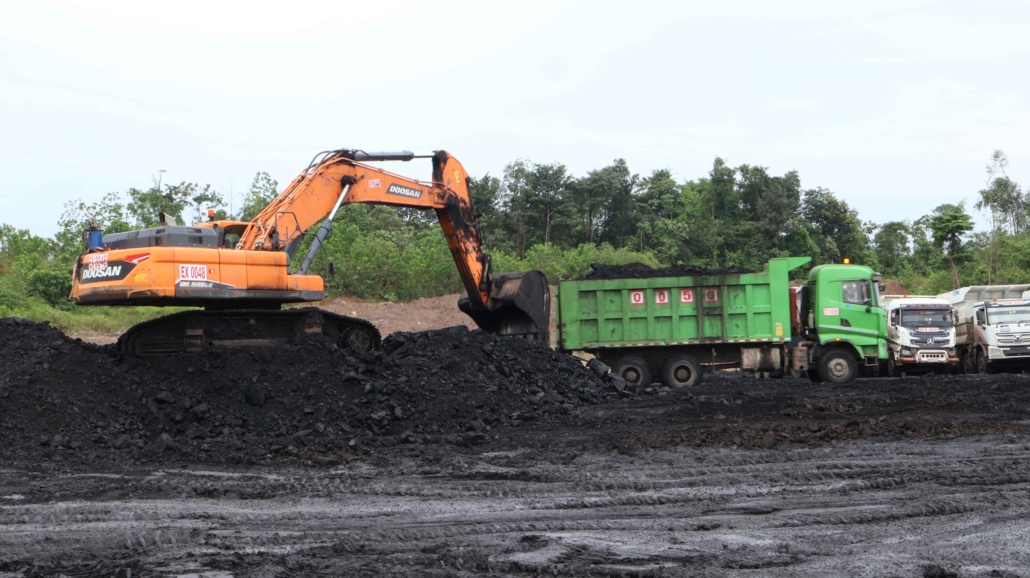
The functions of coal remain the backbone of global energy and have made Indonesia one of the most important players in the world market. As the world’s largest coal exporter, with reserves reaching 31.95 billion tons, Indonesia not only powers its domestic economy but also drives global energy supply. This article provides a complete overview of the functions and benefits of coal, along with the strength of Indonesia’s coal stock and reserves based on the latest 2025–2026 data.
What Is Coal?
Coal is a solid fossil fuel formed from ancient plant remains buried for millions of years under high pressure and temperature. Coal quality is classified by calorific value, ranging from lignite (low calorie), sub-bituminous, and bituminous, to anthracite (high calorie). The higher the calorific value, the more heat energy is released when burned.
In Indonesia, most coal is sub-bituminous with low to medium calorific value, making it highly competitive for power generation and export to Asian markets.
Functions and Benefits of Coal
Below are the most important functions of coal in daily life and modern industry:
1. Coal-Fired Power Plants (CFPP)
The most dominant function of coal is as fuel for electricity generation. In Indonesia, around 67% of national electricity is still produced from coal. Low-calorie coal is widely used for mine-mouth power plants because of its abundant availability and efficient logistics costs.
2. Steel and Metal Industry
Metallurgical coal (coking coal) plays a vital role in steel production. Coal is processed into coke, which is used in blast furnaces to smelt iron ore into steel.
3. Cement Industry
Cement plants use coal as the primary heat source to fire raw materials in kilns at very high temperatures, making it one of the largest non-power domestic consumers of coal.
4. Smelters and Mineral Downstreaming
Indonesia’s nickel smelting boom has boosted domestic coal demand. Mineral processing and refining facilities (smelters) require large energy supplies, most of which still come from coal.
5. Gasification and Chemicals (DME)
Low-calorie coal is now being directed toward gasification projects to produce Dimethyl Ether (DME) as an LPG substitute, as well as being processed into industrial chemicals such as feedstock for plastics and fertilizers.
6. Other Industries
Coal is also used in paper, textile, and food processing industries, as well as for heating in other manufacturing sectors, though in smaller proportions than power plants.
| User Sector | Main Function | Coal Type |
|---|---|---|
| Power plants (CFPP) | Heat source for generation | Low–medium calorie |
| Steel industry | Coke for smelting | High calorie (coking coal) |
| Cement industry | Kiln fuel | Medium calorie |
| Mineral smelters | Processing energy supply | Low–medium calorie |
| Gasification (DME) | LPG substitute & chemicals | Low calorie |
The Strength of Indonesia’s Coal Reserves and Stock in 2026
Indonesia holds a highly strategic position on the global energy map. Here is the latest data on the strength of Indonesia’s coal reserves and stock.
Indonesia’s Coal Reserves Reach 31.95 Billion Tons
Based on the 2025 National Mineral and Coal Resources and Reserves Balance Sheet (data as of December 2024), Indonesia’s total coal reserves reached 31.95 billion tons, while resources exceeded 93–98 billion tons. This places Indonesia 7th in the world for the largest coal reserves.
Reserve composition by calorific quality:
| Calorific Quality | Reserve Volume | Percentage |
|---|---|---|
| Low calorie | ± 24.1 billion tons | ± 73% |
| Medium calorie | ± 4.5 billion tons | ± 8% |
| High calorie | ± 3.4 billion tons | ± 5% |
| Total | ± 31.95 billion tons | 100% |
The dominance of low-calorie coal (73%) presents a challenge because the global market often demands high-calorie coal. However, low-calorie coal remains highly useful for domestic power plants and gasification projects.
Coal Production in 2025 and the 2026 Cut
Indonesia’s coal production in 2025 was recorded at 790 million tons, down 5.5% from the record 836 million tons in 2024. The distribution:
- Exports: 514 million tons (65.1%)
- Domestic market (DMO): 254 million tons (32%)
- Stock: 22 million tons (2.8%)
For 2026, the government plans to cut production to around 600 million tons. The goal is to lift coal prices in the global market and preserve reserve sustainability for future generations.
Major Coal-Producing Regions
Indonesia’s coal reserves are concentrated in three main regions:
- East Kalimantan (around 38% of national reserves)
- South Sumatra (around 29%)
- South Kalimantan
The island of Kalimantan is the backbone of national coal production, supported by more than 950 mining companies—the largest number of coal mining companies in the world.
Economic Contribution
The mineral and coal (minerba) sector contributes up to 70% of Non-Tax State Revenue (PNBP). In 2025, the government targeted minerba PNBP of around IDR 123 trillion, while also employing hundreds of thousands of workers across mining, transportation, and related services.
How Long Will Indonesia’s Coal Reserves Last?
Estimates of the lifespan of Indonesia’s coal reserves vary. Assuming no new reserve additions and a constant production rate, some projections suggest proven reserves could be depleted in around 45 years. However, when total resources and continued exploration are factored in, some officials project a lifespan of hundreds of years.
The key lies in increasing exploration—currently, less than 20% of Indonesia’s territory has been explored in detail—as well as sustainable production management.
Challenges and the Future of Indonesian Coal
Despite the strength of its reserves, Indonesia faces several challenges:
- Low-calorie dominance that reduces competitiveness in premium markets.
- Energy transition toward Net Zero Emission (NZE) by 2060.
- Global decarbonization pressure and green financing constraints.
The government is responding with a balanced strategy: continuing to use coal as a short-term energy security pillar while developing clean coal technologies, gasification (DME), and accelerating renewable energy development such as solar, geothermal, and hydropower.
FAQ on the Functions and Reserves of Indonesian Coal
What is the main function of coal? The main functions of coal are as fuel for power plants (CFPP), steel production, the cement industry, mineral smelters, and gasification into DME and industrial chemicals.
How large are Indonesia’s coal reserves today? Indonesia’s coal reserves reach around 31.95 billion tons, with resources of 93–98 billion tons, placing Indonesia 7th in the world.
How much coal did Indonesia produce in 2025? Indonesia’s coal production in 2025 reached 790 million tons, with 65.1% exported and 32% for the domestic market.
Is Indonesia the world’s largest coal exporter? Yes, Indonesia is one of the world’s largest thermal coal exporters, competing with Australia, and ranks among the top three producers globally.
How long will Indonesia’s coal reserves last? Projections vary between around 45 years (proven reserves without additions) and hundreds of years when exploration and total resources are considered.
Conclusion
The broad functions of coal—from power generation to chemicals—make it a vital commodity for Indonesia. With reserves of 31.95 billion tons and its position as the world’s largest exporter, the strength of Indonesia’s coal stock remains solid through 2026. The challenge ahead is balancing the use of these reserves with the commitment to an energy transition toward a cleaner, more sustainable future.
Data sources: Ministry of Energy and Mineral Resources of Indonesia (2025 National Mineral and Coal Resources and Reserves Balance Sheet), U.S. Energy Information Administration (EIA), IEA, APBI-ICMA. Data as of 2025–early 2026.

